
Article: What Does Eco-Friendly Cleaning Really Mean?
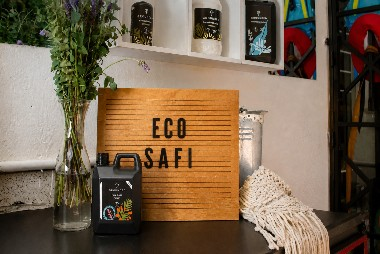
What Does Eco-Friendly Cleaning Really Mean?
“Eco-friendly.” “Natural.” These words can be everywhere on cleaning products—but what do they actually mean? And how do you know what’s real and what’s just greenwashing?
Let’s break down what eco-friendly cleaning really involves - the Grounded perspective - and how to spot the difference between genuinely safe products and ones that only look the part.
1. “Eco-friendly” Means Safe for You, Your Water, and the Planet
At its core, an eco-friendly cleaner is one that:
- Uses biodegradable ingredients
- Avoids toxins harmful to humans and ecosystems
- Doesn’t pollute waterways or leave behind long-lasting residues
- Minimizes packaging waste and carbon impact
But here’s the catch: there’s no universal definition, and in Kenya, no third-party certification that’s accessible (most cost thousands of dollars per product) or enforceable. That means brands can slap on a “green” label without actually changing what’s inside the bottle.
2. What Are “Bio” and “Non-Bio” Cleaners?
You may see the terms bio and non-bio used—especially for laundry products. Here’s what they mean:
- Bio (biological) cleaners contain enzymes like protease, amylase, or lipase that break down protein, starch, and fat stains. They’re powerful and effective—but not always gentle on sensitive skin or delicate fabrics. Grounded’s new coconut-based laundry detergent uses some enzymes to boost efficacy. For those with sensitive skin, we recommend our original Laundry Powder, Sensitive Skin Laundry Powder, or even Pure Soap.
- Non-bio cleaners don’t use enzymes. Instead, they rely on soap or plant-based surfactants to lift dirt. They’re generally gentler, especially for babies, people with allergies, or anyone prone to irritation. Our baby range, and original Laundry Powders are non-bio.
At Grounded, we offer both. Our Laundry Powder is non-bio, while our new enzyme-boosed Laundry Liquid detergent is a bio option made with biodegradable enzymes, designed for tough jobs like oily laundry or cloth nappies—without harsh synthetics. In a nutshell - bio doesn’t mean bad, but it can mean a little harsher on sensitive skin.
3. If They Don’t List the Ingredients, That’s a Problem
Conventional cleaning products are not required to disclose their ingredients - often you’ll find categories of active ingredients like “non-ionic surfactants” or vague ingredients like “fragrance”. This keeps consumers in the dark, making it very difficult to know what you are using in your home.
Remember - especially for laundry products - your skin absorbs residual chemicals from the clothes you wear in the day, to the sheets you sleep on at night.
At Grounded, we disclose every single ingredient. We use international databases like EWG’s Skin Deep and Healthy Cleaning which rank ingredient safety from A-F or 1-8, that screens for human and environmental impacts.
4. Watch Out for These Common “Non-Eco” Nasties
Here are a few ingredients commonly found in mainstream cleaning products that raise red flags here at Grounded:
- Sodium Lauryl Sulfate (SLS) – a common foaming agent that can irritate skin, especially with prolonged exposure. While not banned, the EU requires warning labels if concentrations are above 10% due to skin and eye irritation risk, and aquatic toxicity build up. In addition, SLS is typically petroleum or palm-oil derived - and produced in a very pollution heavy manufacturing process.
🔗 EU SCCS Opinion on SLS
🔗 Cosmetics Ingredient Database – SLS Risk Info - Ammonia – used in glass and floor cleaners, ammonia is not banned but flagged for its potential to harm indoor air quality and respiratory health. The U.S. EPA lists it among volatile organic compounds (VOCs) with indoor exposure concerns.
🔗 EPA Indoor Air Quality – Ammonia - Bleach (Sodium Hypochlorite) – classified as an irritant and environmentally hazardous substance in the EU; restricted in direct discharge applications and use in certain consumer cleaning formats due to aquatic toxicity.
🔗 European Chemicals Agency (ECHA) – Sodium Hypochlorite Classification - Phosphates – banned in household laundry detergents and restricted in dishwasher detergents in the EU due to their role in eutrophication (oxygen-depleting water pollution).
🔗 EU Regulation (EU) No 259/2012 - Fragrance (Undisclosed Mixtures) – under EU law, 26 allergenic fragrance substances must be declared on labels if present in concentrations above 0.01%. Many companies outside the EU are not held to this standard and may lump dozens of chemicals under “fragrance.”
🔗 EU Cosmetics Regulation Annex III – List of Fragrance Allergens - Quaternary Ammonium Compounds (Quats) – used as disinfectants, several Quats (like benzalkonium chloride) are under scrutiny for links to respiratory irritation, asthma, and antimicrobial resistance. Use in consumer products is restricted or closely regulated in the EU.
🔗 ECHA Info – Benzalkonium Chloride
🔗 National Institutes of Health – Quats and Health Effects
Many of these are banned or restricted in the EU, yet still commonly used across Africa due to weak regulation and lack of consumer awareness. Source: European Chemicals Agency.
5. Greenwashing Is Real—and Rife
In Kenya, there’s currently no affordable or standardized eco-certification process for cleaning products. That creates a vacuum where companies can claim “natural” or “plant-based” without any oversight.
Some warning signs of greenwashing:
- No full ingredient list
- Vague claims like “non-toxic” or “safe for baby” with no substantiation
- Lots of flowers and leaves on the label, but nothing about what's inside
- Claims about packaging instead of ingredients. Just because the bottle or box is made with “95% recycled material”, doesn’t mean what’s inside is good for you!
6. Eco-Cleaning Isn’t Just About Ingredients—It’s About Impact
At Grounded, we take a full-circle approach to eco-cleaning:
- Local ingredients: Our coconut, canola, and sunflower oils are grown in East Africa.
- Green Manufacturing: Even
- Minimalist formulations: Fewer, simpler ingredients—nothing unnecessary
- Refill culture: We prioritize bulk sizes, glass packaging, and ceramic dispensers to cut plastic waste
- Human safety first: All our products are safe for babies, pets, and people with sensitive skin
We believe cleaning shouldn't come at the cost of your health—or the planet’s.
7. You Can Look Up Ingredients Yourself
Want to be a more informed shopper? Here’s where to start:
- EWG's Guide to Healthy Cleaning: Search for products or ingredients and see their safety scores
- INCI Decoder: Great for understanding beauty and body care ingredients
Until Kenya has its own reliable certification system, or decoder app for this part of the world, we all need to be our own watchdogs.
In a nutshell
Eco-cleaning isn’t a fad—it’s a movement toward healthier homes, smarter choices, and less pollution. But without regulation, it’s up to brands like Grounded—and consumers like you—to raise the bar.
Want to see what a truly eco-friendly product looks like? Check out our Pure Soap or browse our full collection of non-toxic, biodegradable cleaners made right here in Kenya.

Leave a comment
This site is protected by hCaptcha and the hCaptcha Privacy Policy and Terms of Service apply.